

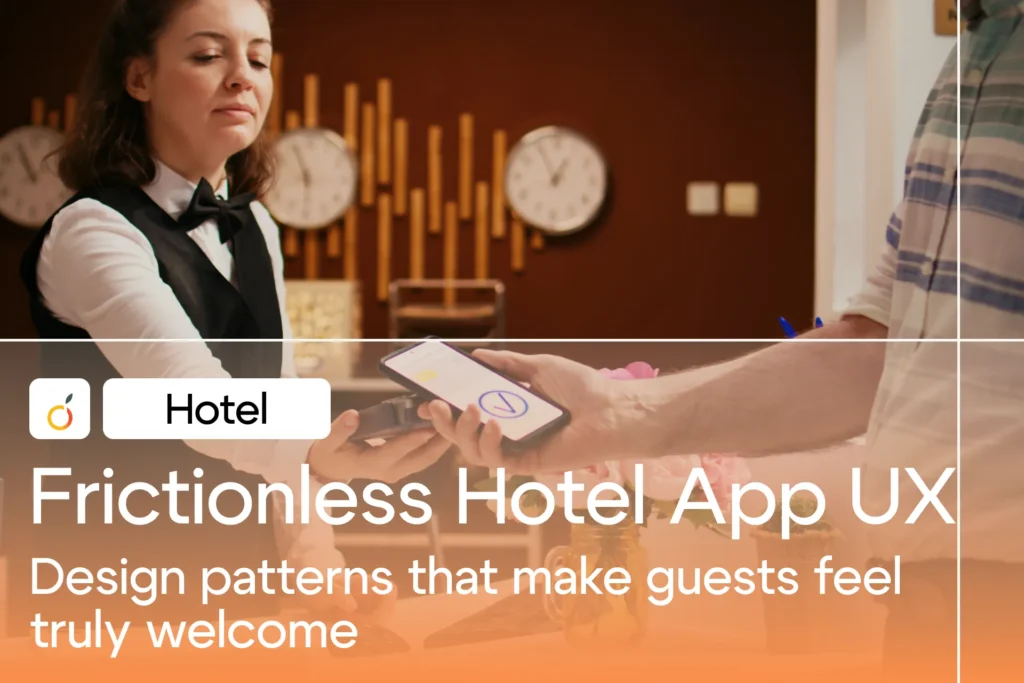
The Importance of UX for Hospitality Applications
Hotel guests are usually exhausted after travelling, and are likely unfamiliar with their environment when they download a hospitality application (aka hotel app). When guests are checking in to the hotel after a long flight or requesting an extra set of towels from the room, they require a seamless mobile experience; it is no longer just a luxury, but a necessity.
Good UX reduces stress for the hotel guest. Exceptional UX gives hotel guests the sense that they are being cared for before they ever interact with any hotel staff.
Appricotsoft specializes in custom-designed hotel applications that meet the actual needs of your guests; we do not simply create attractive user interfaces. The following depicts key UX patterns associated with reducing friction, increasing user engagement, and enhancing the user experience in the hospitality arena.
1. Language Should Never Be a Barrier
Since hotels serve a multicultural clientele, you can use this to your advantage when developing an app that caters to your guests’ language needs – literally.
UX Tips for Multilingual Support:
- Automatically detect and adapt to device language settings. Don’t ask guests to pick a language if it’s already set in their device’s settings.
- Allow for manual language override. Since many guests lend their devices to family members and some prefer different interface languages, enable guests to choose a language independently of the device setting.
- Translate everything – especially error messages and support materials – as these are the times when guests will be most confused and need assistance.
💡 Bonus: localize both the language and the format of the currencies, dates/times, and units (i.e. miles vs. kilometres)
2. Smooth Arrival and Check-In Flow
The app’s arrival experience is often the first impression your app creates; it’s also potentially your guest’s first experience with your hotel.
UX Patterns that help:
- Provide a pre-arrival checklist to include anybody who would like to submit scanned or electronic documents, pay for their stay or request an upgrade prior to arriving.
- Provide real-time room status so that your guests know when their room will be ready (i.e. when the guest can check into their room).
- Provide smart room key delivery via Bluetooth or NFC.
Reduce the number of steps to accomplish the goal, provide the necessary feedback to complete the goal, and do not assume that guests are tech-savvy. A loading spinner with no additional information is the equivalent of putting someone on hold for an extended period without giving them any indication of what is happening or how long the wait will be.
3. Accommodation Design for Limited Connectivity
Although hotels are usually connected via Wi-Fi, this isn’t always reliably true, especially in older hotels or those with underground parking due to thick concrete or steel walls.
User Experience Best Practices For Offline Resilience:
- Store key screen and database items locally in cache, for example Room Numbers, Reservation Information, Maps etc.
- Queue up requests, such as “I would like to get more towels,” and synchronise when back online.
- Clearly indicate in your app that it’s in Offline mode, Syncing or Waiting for Connectivity.
Designing for Offline First is a Gold Standard of mature mobile application development and provides your guest respect for their time and effort.
4. Accessibility Is Not An Option
When you design for accessibility, you create products that can be enjoyed by ALL users, not just those with a permanent disability – for example: parents holding a baby (1 arm), senior citizens with glasses, or people who are experiencing jet lag.
Must-have UX:
- Larger, more widely spaced buttons to make it easy to tap.
- Support for VoiceOver & TalkBack on both iOS & Android.
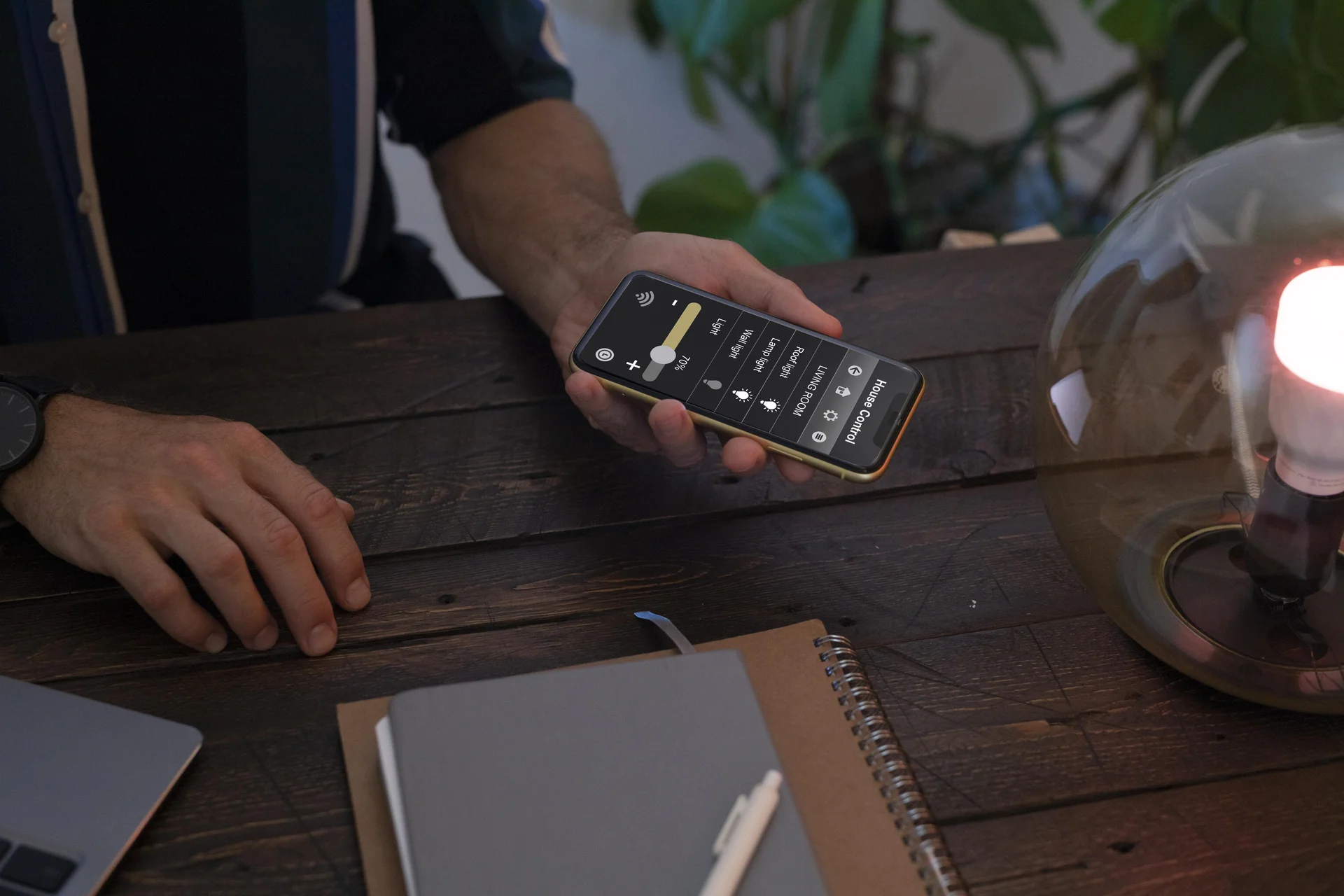
- Support for Dark Mode to use when you are up at night, not having to turn lights on and off.
- Colour contrast meets WCAG (World Consortium for Accessibility Guidelines) guidelines.
If you would like help with Audit Accessibility or UX Reviews for Mobile App Development Services, we can assist you!
5. Provide Clear Updates on User Request Statuses
One of the biggest frustrations with hospitality apps is typically viewed as a “black box” experience. A user taps a button to request something, then (potentially) gets no response. Did their request go through? Is someone bringing it to them? Are they going to wait forever?
You can address this frustration in three different ways:
- Provide visual confirmation – “Your extra pillow is on its way!”.
- Give an estimate of when their request will be delivered – “The expected delivery time is between 10 – 15 minutes.”
- Provide a main screen where users can view all requests in progress and/or those that have already been completed.
By using these three techniques, you will create an environment where guests feel comfortable, and they will also reduce unneeded calls to the hotel front desk.

Bonus: Notifications Aren't to Be Forgotten
Notifications are a double-edged sword. If implemented correctly, they enhance the experience; if done incorrectly, they are intrusive.
Best Practices:
- Contextual, timely, and actionable – “Your room is ready. Tap to check in.”
- Allow users to select what notifications they want.
- Silence during nighttime hours according to local time.
Push is powerful. Use it to inform, not interrupt.
How It Is Done at Appricotsoft
From guest experience apps to restaurant ordering systems and immersive hotel platforms, we know success is in the tiny things.
Our delivery system is the Unison Framework, which ensures that in every hotel app we built, the following is included:
- Real guest testing, not just internal QA.
- Demos on a weekly basis, so stakeholders can see the features as they evolve.
- AI-assisted development for faster delivery-but with human ownership over UX and quality.
Want to build an app your guests actually enjoy using? Let’s make it happen.
Related Reading
Conclusion
UX patterns are what separate the guest who raves about your tech from the one who calls the front desk out of frustration.
Whether you’re revamping an older system or building your first hotel app, these design principles are here to help cut friction, deliver delight, and increase overall revenues through user engagement.
We are not only a mobile app development company at Appricotsoft, but your partner in building hospitality experiences that create lasting impressions for all the right reasons.