
Discover
Market research, user validation, competitor audit
DeliverableValidated roadmap with go/no-go metrics and feature priorities.
Project type
We'll get back to you within 24 hours.
CEO & Founder Appricotsoft

Market research, user validation, competitor analysis — roadmap that proves demand before development starts.
SaaS platforms, marketplaces, eCommerce PWAs — React/Next.js frontend + Node.js/Python backend.
95% test coverage, security audit, load testing — products that don't crash at scale.
Conversion-optimized interfaces, design systems, prototypes tested with real users across web + mobile.
React Native cross-platform + native iOS (Swift)/Android (Kotlin) — launched on both stores.
App store deployment, go-to-market strategy, 90-day post-launch monitoring and optimization.
8-12 weeks from idea to live product
Market research, user validation, competitor audit
🕒 1-2 weeks
DeliverableValidated roadmap with go/no-go metrics and feature priorities.
Conversion-optimized UI/UX prototypes tested with real users.
🕒 2 weeks
DeliverableFigma design system ready for handoff.
Full-stack web + mobile with daily standups, API integrations.
🕒 4-6 weeks
DeliverableLive staging environment by Week 6.
95% QA coverage, security audit, app store optimization.
🕒 2 weeks
DeliverableCoordinated web + mobile launch with 95% approval rate.
Performance monitoring, A/B testing, infrastructure optimization.
🕒 90 days
DeliverableGrowth roadmap with monthly reports.
Daily Slack huddles. Bi-weekly stakeholder demos. Fixed scope contract. On-budget delivery.


Most founders burn 6–12 months and $100K+ on agencies that ship buggy MVPs nobody uses or scales. Web apps crash under traffic, mobile apps get rejected from stores, investors walk away from tech debt.
We’ve built 100+ products used by 300K+ people because we own outcomes, not hours — from discovery that validates demand to launches that convert.
And this is why we launched Unison Framework — the system guaranteeing your product hits product-market-tech fit.
faster delivery using unison framework
launched

We hit deadlines without cutting corners—every time.

Clear updates, no surprises, full transparency from day one.

Products that scale and pivot without technical debt.

Revenue-driving features, not just code—we focus on your business results.

High-output work at fair prices, thanks to AI acceleration and senior efficiency.
Straight answers from projects like TipTip
Hospitality software development covers any custom digital product built for hotels, restaurants, or service businesses — from guest-facing mobile apps to back-end management platforms.
Common deliverables include: guest experience apps (mobile or web interfaces for room service, digital concierge, and hotel upsell), booking engine integration (connecting your reservation flow with OTAs, PMS, or channel managers), payment integration (Apple Pay, Google Pay, BLIK, card terminals, and cashless tipping), QR menu and ordering systems, loyalty program apps, and PMS integration services.
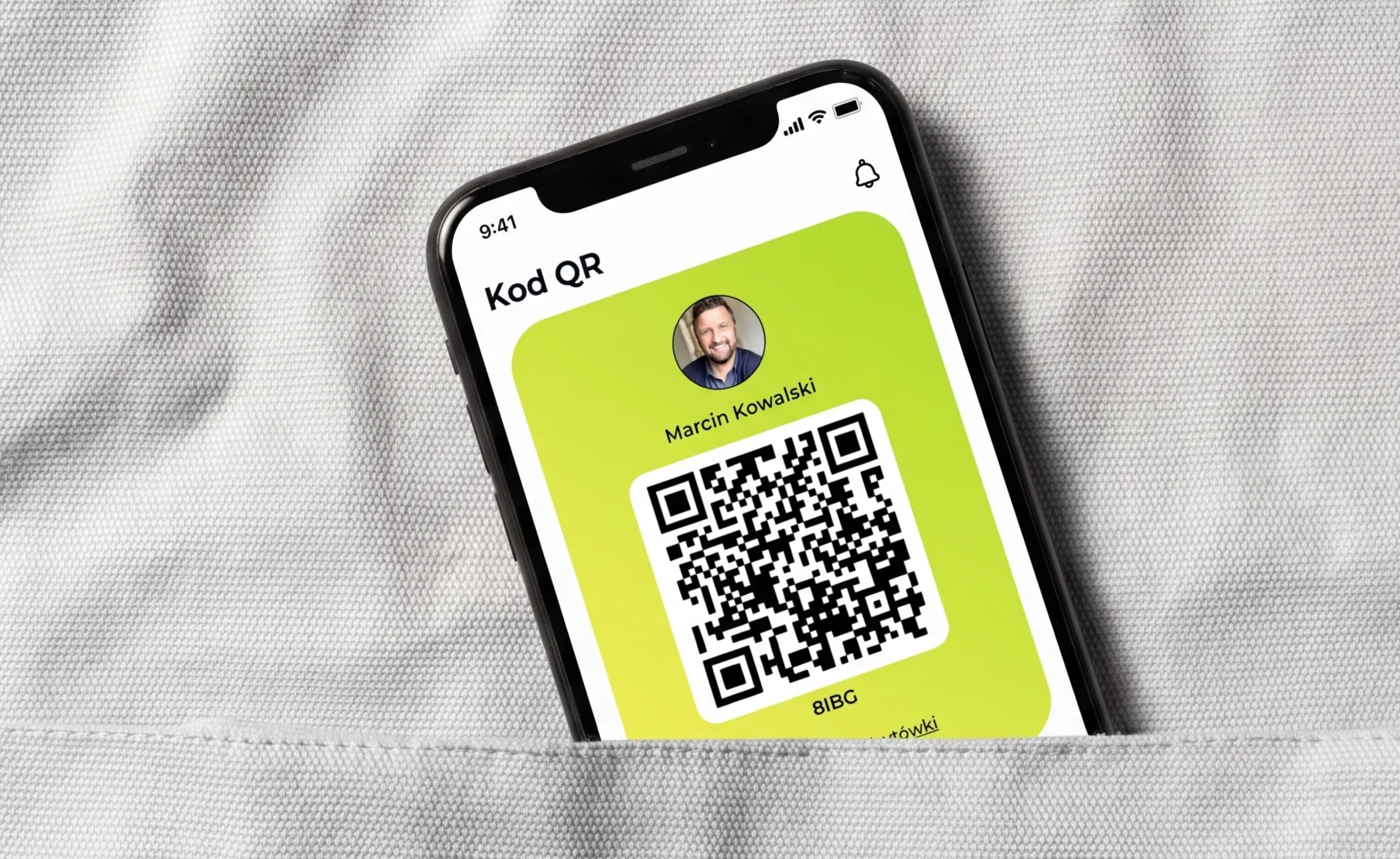
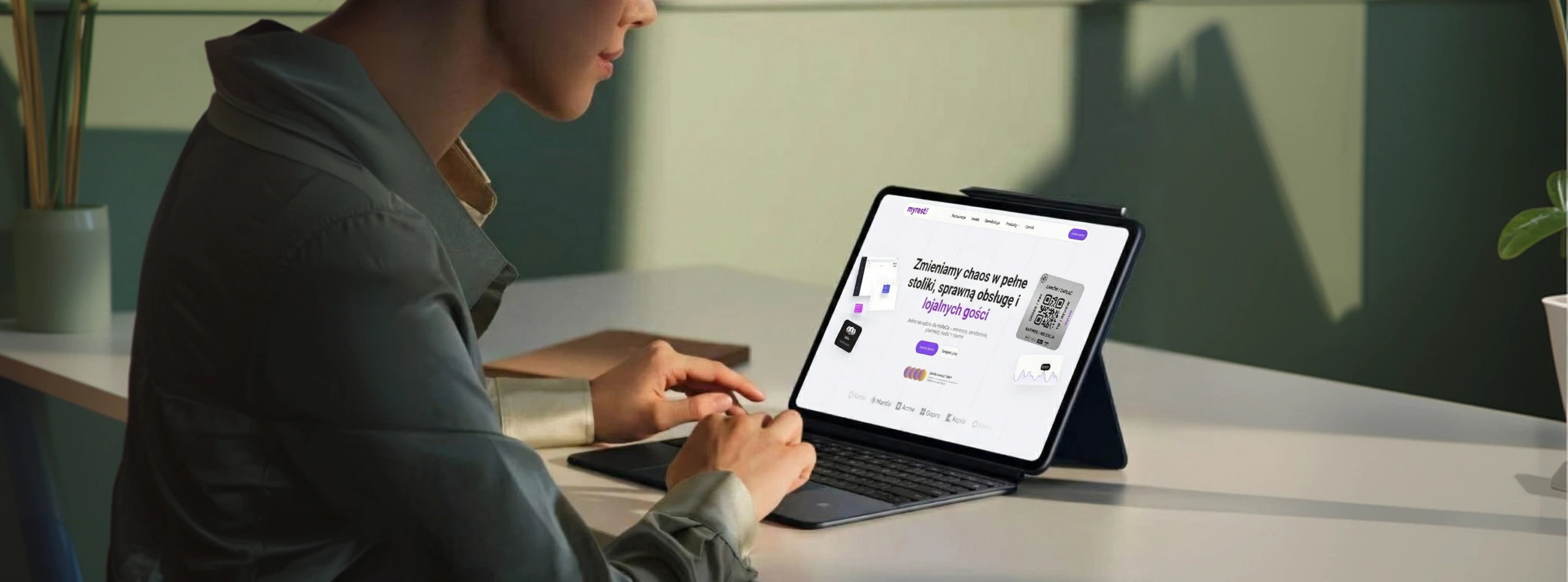
At Appricotsoft, we’ve shipped hospitality products used by hotels and restaurant groups across Europe — including MyREST (QR menus, reservations, payments) and TipTip (cashless tips with no app install required).
Timeline depends on scope, but here are realistic estimates based on our delivered projects: MVP with core guest flow and one integration — 8–14 weeks; full guest experience app with booking, payments, concierge, and upsell — 4–7 months; platform with PMS or channel manager integration — 6–10 months.
These timelines assume requirements are defined upfront. We use our Unison delivery framework — weekly demos, clear milestones, and continuous client visibility — so you never lose track of where the project stands. If you have a prototype or existing system to build on, we can significantly shorten the timeline.
Yes — PMS integration and channel manager integration are among our most requested services for hotel clients. We’ve worked with API-based and webhook-driven integrations across reservations, availability, guest profiles, and billing data.
During Discovery, we map every integration dependency before writing a line of code. This prevents the most common budget surprises in hospitality tech projects — where an undocumented legacy system quietly doubles the timeline. We’ll tell you exactly what’s possible, what it costs, and what the fallback is if an integration turns out to be more complex than expected.
A guest experience app covers the full stay journey — pre-arrival (booking confirmation, check-in prep), on-property (room service, requests, navigation), and post-stay (checkout, review prompts, loyalty). A digital concierge app focuses specifically on on-property service delivery: handling requests, recommending local experiences, connecting guests to staff, and enabling upsell (late checkout, spa, restaurant).
In practice, most hotel clients start with concierge functionality as the core and expand into the full guest experience over time. We’ll help you scope the right starting point based on your guest profile, staff capacity, and ROI expectations.